
Biosafety Laboratory Level
When conducting activities in laboratories, laboratory personnel are not exempt from the dangers of biological agents. Without proper handling, hazardous biological agents can be released into the environment. Therefore, appropriate biosafety measures are necessary to protect laboratory personnel, prevent the release of dangerous pathogens, and ensure environmental safety. Biosafety Levels (BSL) provide a framework for categorizing laboratories based on the risks associated with the agents they handle. There are four different biosafety levels distinguished based on infectivity, severity of disease, transmissibility, and the nature of the work being conducted. Each biosafety level describes microbiological practices, safety equipment, and facility safeguards related to the handling of agents.
We are dedicated to providing integrated solutions for the planning, design, and construction of biosafety laboratories for all levels of biosafety. From basic needs to maximum containment facilities, we have the expertise to make it happen.
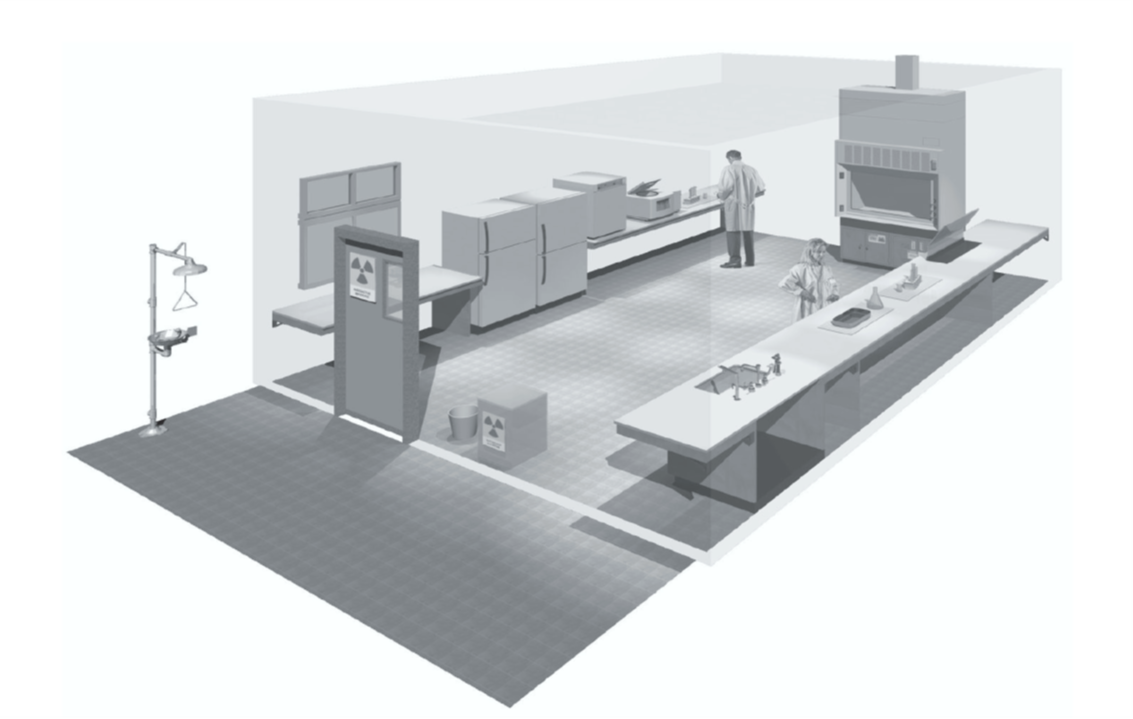
Biosafety Level 1 (BSL-1)
is the basic level of protection used to handle biological agents that are not known to cause disease in immunocompetent adult humans. At this level, standard microbiological practices are required. Additionally, all personnel working in the laboratory must receive relevant training for their tasks and are required to wear personal protective equipment such as laboratory coats, protective eyewear, and gloves. The laboratory should be equipped with a door, handwashing facilities, laboratory benches, screened windows, and adequate lighting. However, a biosafety cabinet (BSC) is not required.
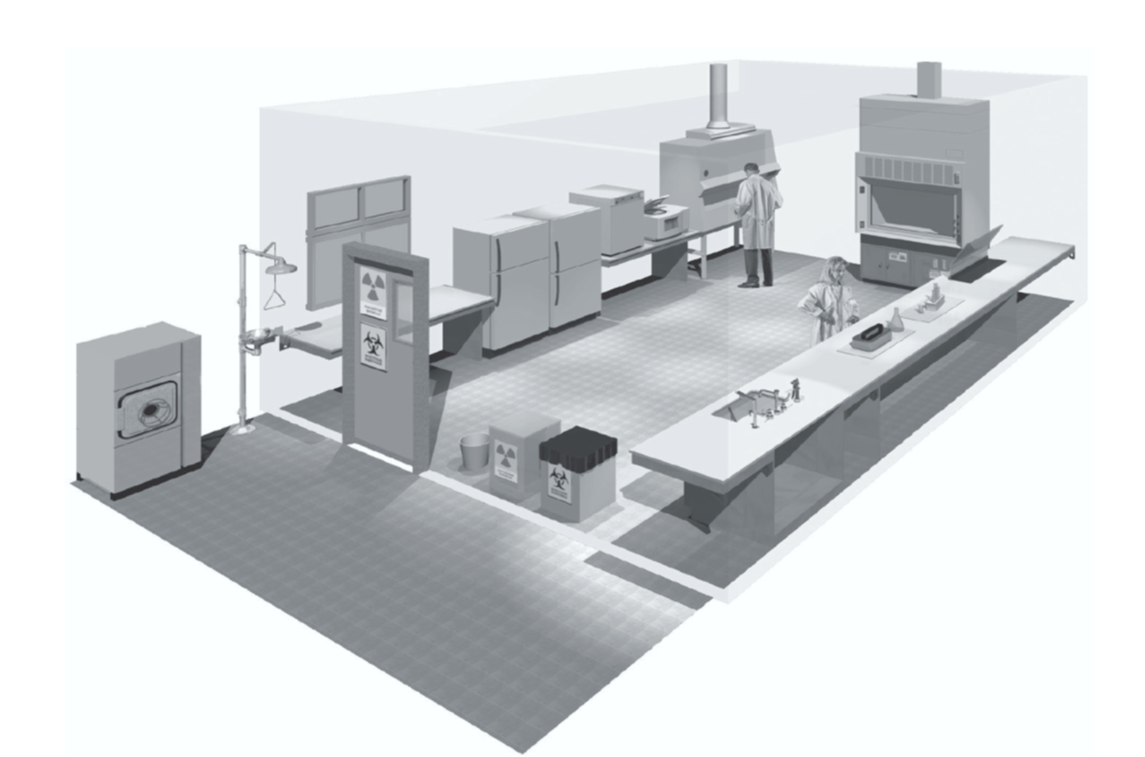
Biosafety Level 2 (BSL-2)
is used to handle biological agents with moderate risks that can cause human diseases of varying severity through ingestion, percutaneous exposure, or mucous membrane exposure. At this level, access to the laboratory is restricted, and the laboratory must be equipped with self-closing doors and screened windows. Handwashing facilities must be available near the exit. The laboratory must have a BSC for procedures that generate splashes or aerosols and an autoclave. During laboratory procedures, personnel must wear personal protective equipment such as laboratory coats, protective eyewear, and gloves. After completing laboratory activities, decontamination processes must be carried out.
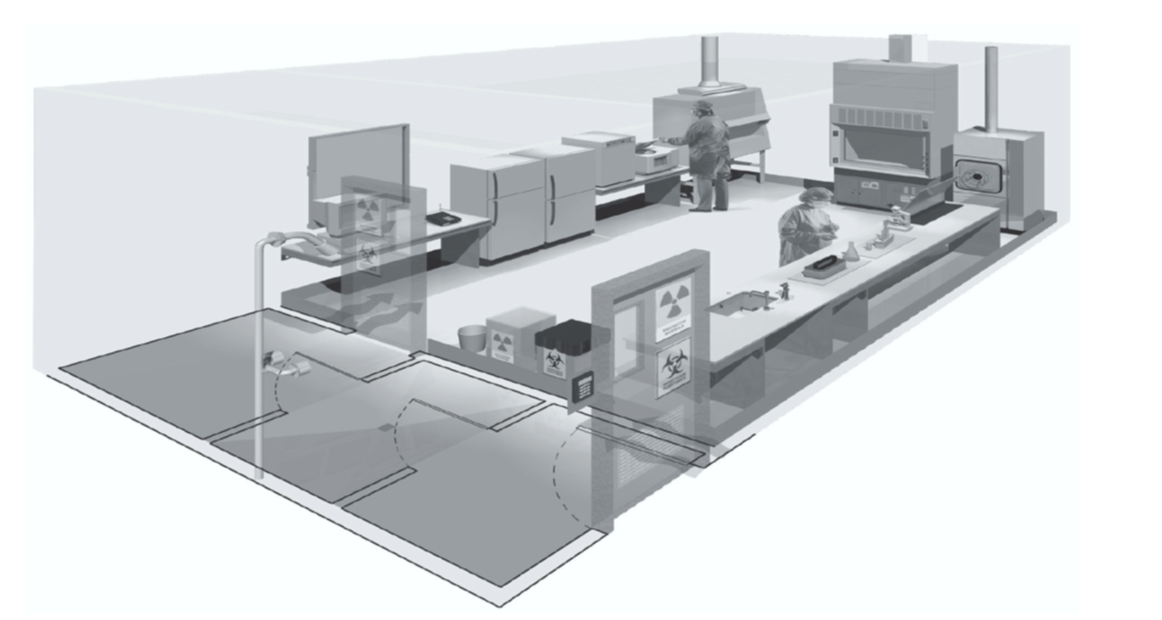
Biosafety Level 3 (BSL-3)
is used to handle agents known to potentially spread through aerosols and cause serious and potentially fatal infections. At this level, access to the laboratory is limited to authorized personnel only. Entry into the laboratory is through two sets of self-closing doors. Furthermore, windows within the laboratory must be sealed. The laboratory must also be equipped with handwashing facilities located near the exit, a ventilation system with negative airflow into the laboratory, an autoclave, and a BSC where all procedures involving infectious materials are performed. During laboratory activities, personnel must wear personal protective equipment such as lab coats, hazmat suits, or other protective gear that covers the front of the body, gloves, face shields, and powered air-purifying respirators (PAPR). Hazardous materials leaving the laboratory must be placed in primary and secondary containers and should only be opened in BSL-3 laboratories.
Biosafety levels provide a systematic approach to categorizing laboratories based on the risks associated with handling hazardous biological agents. Compliance with biosafety protocols and the implementation of appropriate practices at each level are crucial to protect laboratory personnel, prevent the release of dangerous pathogens, and maintain environmental safety. By prioritizing biosafety, laboratories can maintain a healthy and safe working environment while mitigating risks to human health and ecosystems.